
There is a particular kind of heartbreak that happens at the front door. You grab your keys, your dog watches your shoes, and suddenly those big eyes seem to ask the question every dog parent knows: are you leaving me?
Some dogs handle alone time with a nap and a stretch. Others bark, pace, whine, scratch, chew, refuse treats, have accidents, or wait by the door like their whole world paused until you come back. Dog separation anxiety can be emotional for the dog and exhausting for the family who loves them.
At Elite Scoop Patrol, we spend our days caring for the spaces dogs use every day, but the truth is bigger than clean yards. We care deeply about dogs. We notice their routines, their nervous habits, their favorite corners, and the way a cleaner, calmer space can make home feel easier. This guide is here to help you support your furbaby with kindness, patience, and practical steps.
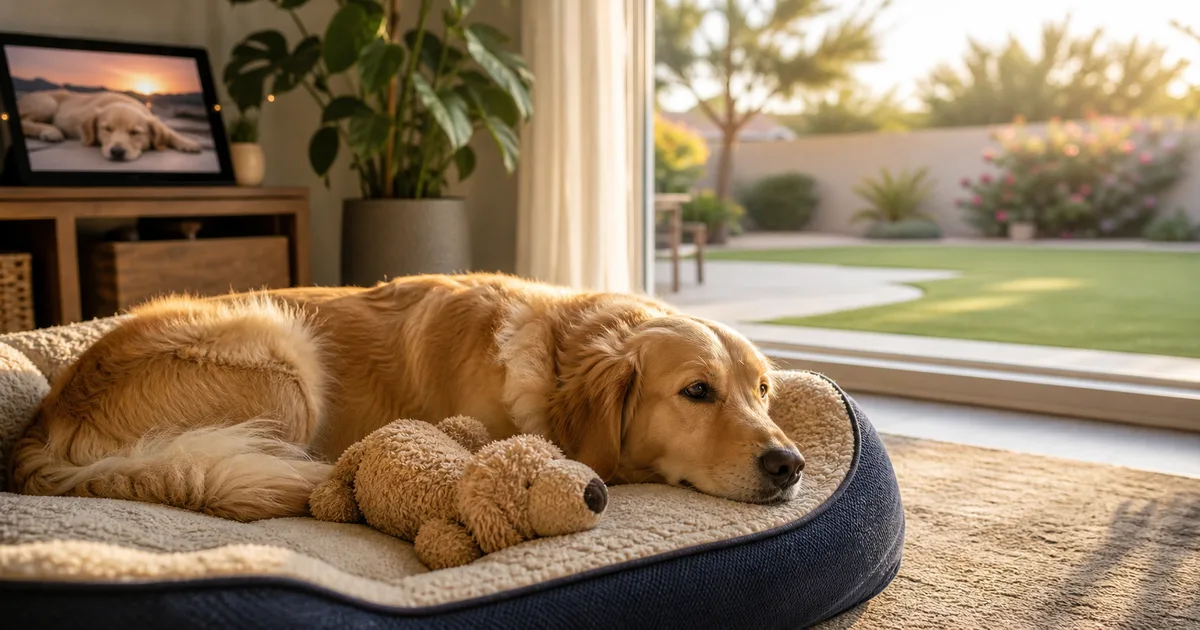
First, Know What Your Dog May Be Feeling
Separation anxiety is not a dog being dramatic, stubborn, or spiteful. Many dogs are deeply bonded to their people. When the person they trust most disappears, their body can respond with stress before their brain knows what to do with it.
Common signs can include barking, howling, pacing, drooling, trembling, destructive chewing, scratching doors, potty accidents, refusing food, following you from room to room, or becoming restless when you start your leaving routine. Some dogs only show mild stress. Others may need help from a veterinarian, certified trainer, or behavior professional, especially if they panic, injure themselves, or damage doors, crates, or walls.
The goal is not to make your dog stop loving you so much. The goal is to help them trust that leaving is temporary, home is safe, and you always come back.
Build A Goodbye That Does Not Feel Like A Storm
Dogs read patterns beautifully. That can work against us when every leaving cue becomes a warning siren: keys, shoes, bag, garage door, goodbye voice. Try making those cues boring during the day. Pick up your keys, then sit back down. Put on shoes, then make coffee. Open the door, close it, and stay home.
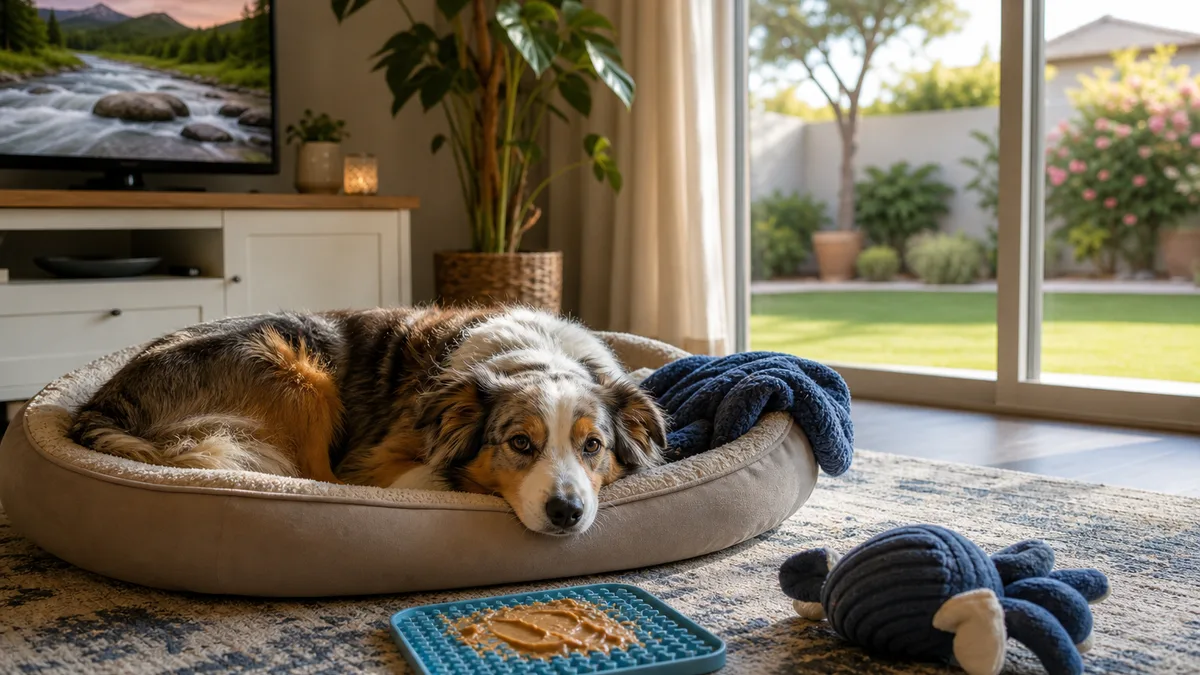
When you do leave, keep the goodbye soft and simple. Big emotional exits can make the moment feel more important than it needs to be. A calm phrase, a treat puzzle, a safe resting spot, and a quiet departure can help lower the temperature of the moment.
Use Sound To Make The House Feel Less Empty
One thing I have personally found helpful is using YouTube for dog relaxation videos. There are long videos made specifically for dogs with soft music, calming nature sounds, slow visuals, and peaceful dog-focused scenes. For some pups, that gentle background sound can make the house feel less hollow when their people are gone.
It is not a cure, and every dog is different, but it can be a useful comfort tool. Try a short session while you are still home first. Watch how your dog responds. If they settle, sniff, stretch out, or stop listening for every tiny noise, you may have found a helpful part of their routine.
Other dogs prefer a fan, white noise, soft music, or a familiar TV show. The best sound is the one that helps your dog relax without overstimulating them.
Practice Tiny Absences Before Big Ones
If your dog struggles with alone time, do not start with a full workday and hope they figure it out. Start small. Step outside for ten seconds. Come back calmly. Walk to the mailbox. Return before panic builds. Slowly stretch the time as your dog learns that absence has an ending.
Keep practice sessions low-pressure. If your dog is already barking hard or frantic, the step may be too big. Short wins matter. A quiet thirty seconds can be more valuable than a stressful thirty minutes.
Give Them Something Safe To Do
A dog with a job often settles better than a dog with nothing but silence. Try a lick mat, stuffed food toy, slow feeder, safe chew, or treat puzzle that your dog already knows and enjoys. Use items that match your dog's chewing style and always avoid anything they could break, swallow, or guard.
For some dogs, enrichment works best before you leave, not right at the moment you disappear. A short sniff walk, a little training, breakfast in a puzzle, or a calm backyard potty break can help their nervous system come down before alone time begins.
Do Not Forget The Yard
Stress can affect bathroom routines. A nervous dog may hold it too long, rush outside, have accidents, or leave extra yard waste after a disrupted day. If your dog uses the yard before and after alone time, that space should feel predictable, clean, and easy to use.
Walk the yard regularly. Pick up waste, remove broken toys, check gates, refresh water, and make sure high-traffic potty areas do not become overwhelming. In Arizona heat, odor and mess can build quickly, especially in turf, gravel, and side yards.
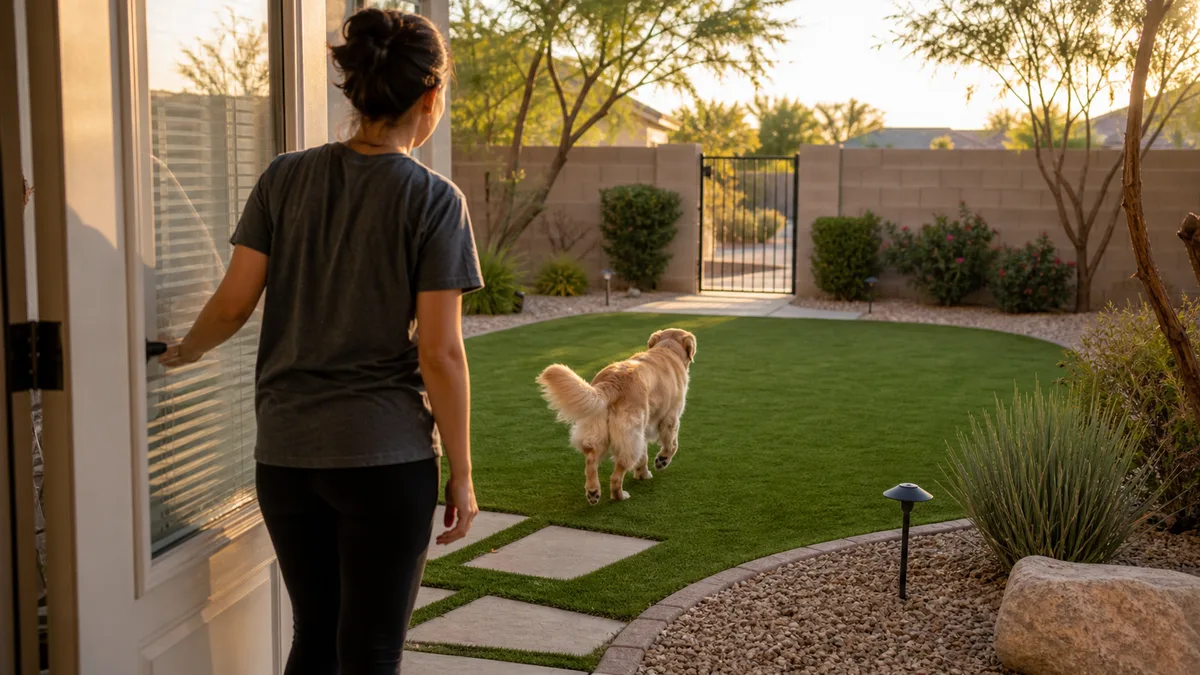
This is where our work connects naturally to your dog's comfort. A clean yard will not solve separation anxiety by itself, but it can remove one more layer of stress from your dog's day. Cleaner potty areas, less odor, and a space that feels cared for can make the return-home routine easier for everyone.
A Gentle Calm-Home Checklist
- Keep departures and returns calm and predictable.
- Practice very short absences and build slowly.
- Try YouTube dog relaxation videos, soft music, white noise, or a fan.
- Offer safe enrichment your dog already understands.
- Give a potty break before longer absences.
- Keep the yard clean, checked, and easy to use.
- Talk to your veterinarian or a qualified behavior professional if your dog panics, self-injures, or cannot settle.
We Are Here For The Dogs First
Elite Scoop Patrol is a pooper scooper service, yes. But underneath the service is something simple: we love dogs, and we believe their everyday spaces matter. Your furbaby deserves a yard that feels clean, a routine that feels safe, and people around them who notice the little things.
If separation anxiety has made your home feel heavy, start with one gentle change today. A calmer sound. A shorter practice absence. A cleaner potty area. A softer goodbye. Small routines, repeated with love, can help your dog feel less alone.
New customer offer: Start recurring service and receive a complete Elite Yard Refresh. New customers only. Recurring service required.
Recurring dog waste cleanup can help keep your dog's yard cleaner, fresher, and easier to manage while you focus on the routines that help your pup feel safe.
Request pricing when you are ready for a calmer, cleaner yard routine.
If this helped, please like and share it with another dog owner who may need a little encouragement today. Know a dog parent whose furbaby has a hard time being alone? Share this with them, and make Elite Scoop Patrol one of your local resources for helpful dog-care tips, clean-yard support, and practical furbaby info.